Systematic Reviews & Meta-Analyses
Use of a Metal Cutting Wheel Burr and Osteotome as a Screwdriver to Remove Imbedded Broken Pedicle Screws in the Revision of a High Grade Spondylolisthesis
AcceptedUpdated 26 Oct 2026
Key finding
Stephen J. Lewis has shown that when standard broken-screw removal kits fail, surgeons can successfully extract embedded broken pedicle screws using just two common operating-room tools: a thin metal-cutting wheel burr to carve a groove in the screw stump, and an osteotome used like a flat-head screwdriver to twist it out.
Offers spine surgeons a low-cost rescue technique for broken pedicle screws during revision fusion, avoiding specialized instruments and reducing risk of pedicle damage.
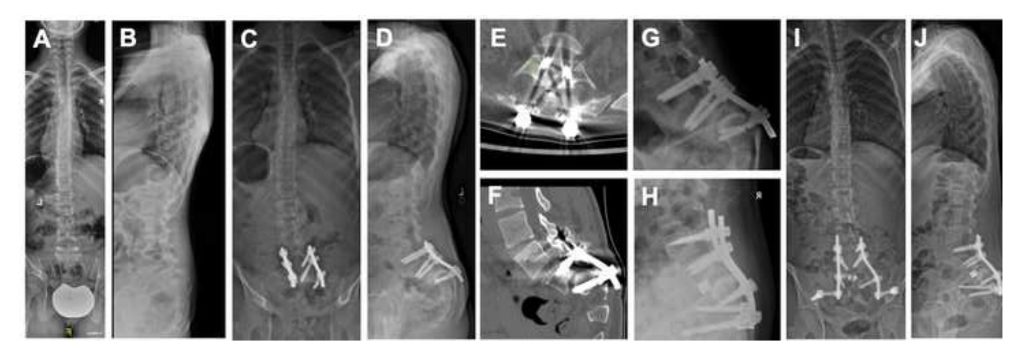
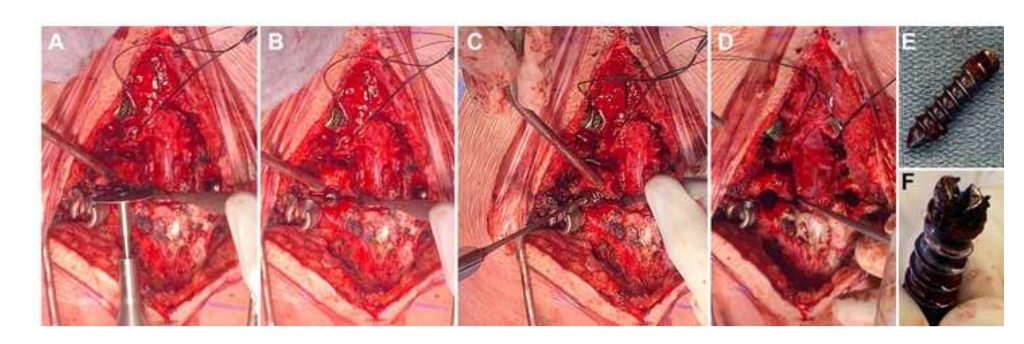
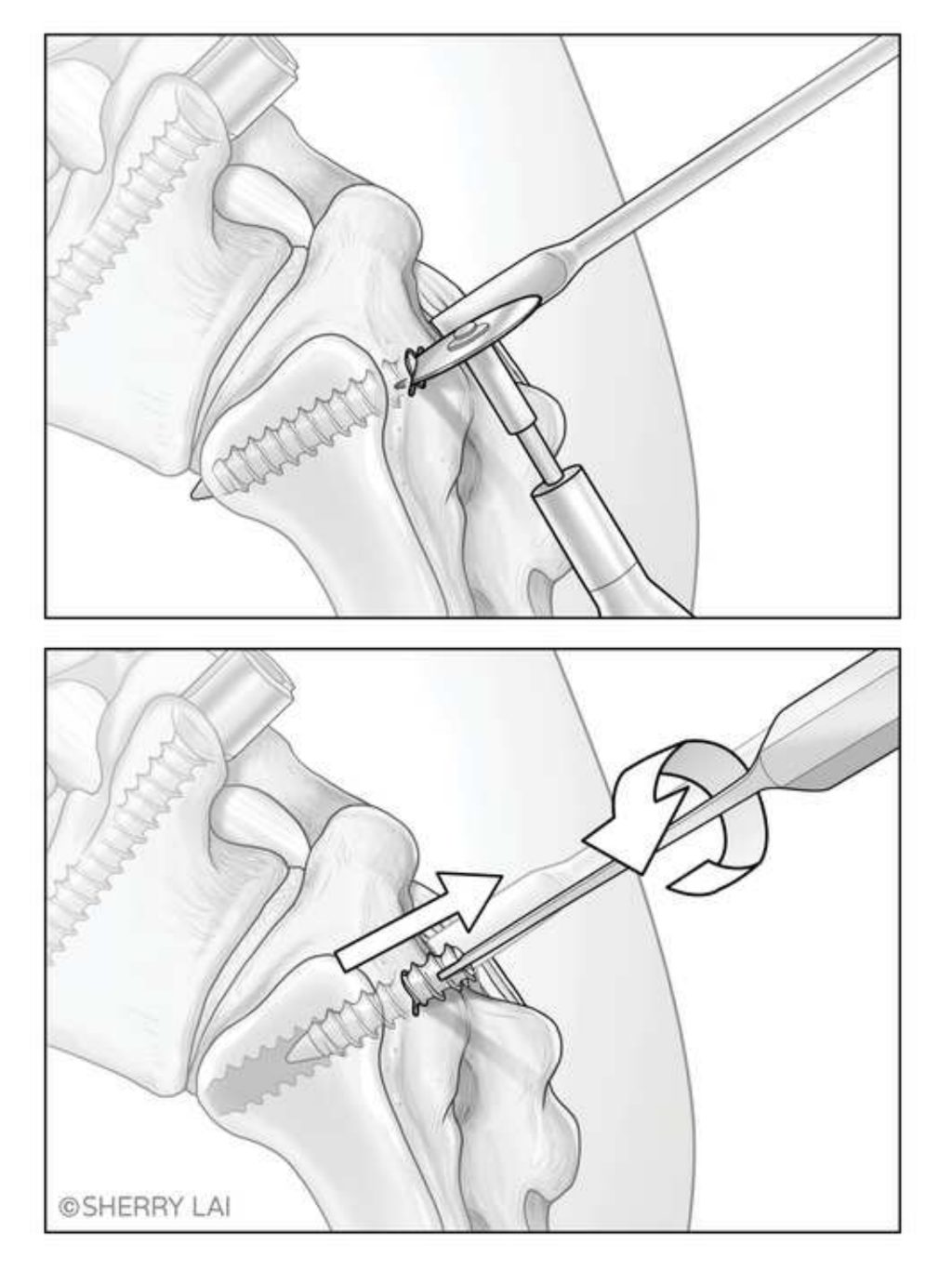
SLShown by Stephen J. Lewis
Full manuscript available once the paper is publishedAuthor order
- Lewis S
- Oitment C
- Nielsen C
- Jentzsch T
Where it stands
Accepted for publication.
14 / 14steps
Cite this work
A formatted reference and the PubMed link appear here once the paper is accepted and indexed.
Not yet citable
For full results, please refer to the published manuscript or contact the lead author. Manuscript text is not shared here while the work is in review or under journal copyright.